Top 7 Benefits of Preschool Education for Your Child
By Mother’s Pre School & Daycare • 2026-08-28 • 5 min read
Preschool plays a vital role in shaping a child’s future by building a strong foundation for learning, behavior, and social interaction. It is often the first structured environment where children begin to explore the world beyond their homes.
During these early years, children develop essential life skills that influence their academic success and personality. A well-designed preschool program helps children grow intellectually, emotionally, socially, and physically.
-
Social Skills Development
Children learn how to interact with others, share, cooperate, and build friendships in a structured environment. Group activities teach teamwork and respect for others.
Why it matters: Strong social skills help children adjust better in school and build healthy relationships throughout life. -
Emotional Growth
Preschool helps children develop confidence, independence, and emotional stability. They learn how to express their feelings and handle emotions in a positive way.
Why it matters: Emotional intelligence is key to self-awareness, resilience, and decision-making. -
Language & Communication
Kids improve vocabulary, listening skills, and expression through interactive learning, storytelling, and conversations with teachers and peers.
Why it matters: Strong communication skills improve academic performance and boost confidence in social situations. -
Structured Learning
Daily routines and classroom structure prepare children for formal schooling. They learn discipline, time management, and the ability to follow instructions.
Why it matters: A structured environment reduces anxiety and helps children transition smoothly into primary school. -
Creativity & Imagination
Art, music, storytelling, and play-based activities enhance creativity and cognitive thinking. Children learn to explore ideas and think independently.
Why it matters: Creativity supports problem-solving skills and innovation from an early age. -
Motor Skill Development
Physical activities such as running, drawing, and playing help improve both fine and gross motor skills.
Why it matters: These skills are essential for writing, coordination, and overall physical development. -
Strong Academic Foundation
Early exposure to numbers, alphabets, shapes, and basic concepts builds readiness for school learning.
Why it matters: Children who attend preschool often perform better academically in later years.
Additional Benefits of Preschool
- Improves concentration and attention span
- Encourages curiosity and love for learning
- Develops independence and responsibility
- Provides a safe and nurturing environment
Conclusion: Preschool is the first step toward a child’s lifelong learning journey. It not only prepares children academically but also builds confidence, independence, and essential life skills that shape their future success.
Related Articles
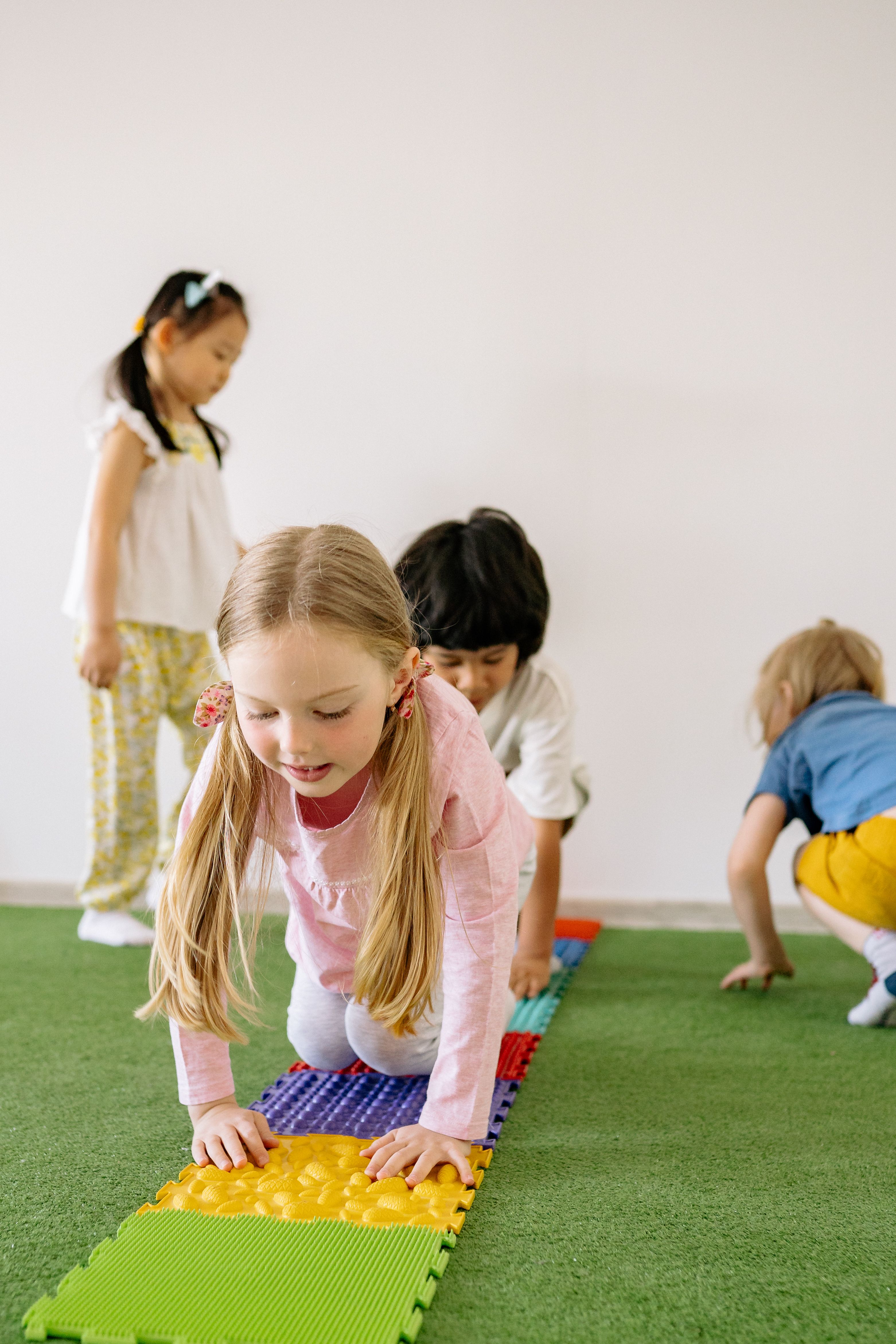
How to Choose the Right Preschool for Your Child
A complete guide for parents to select the best preschool with safety, curriculum, and environment.
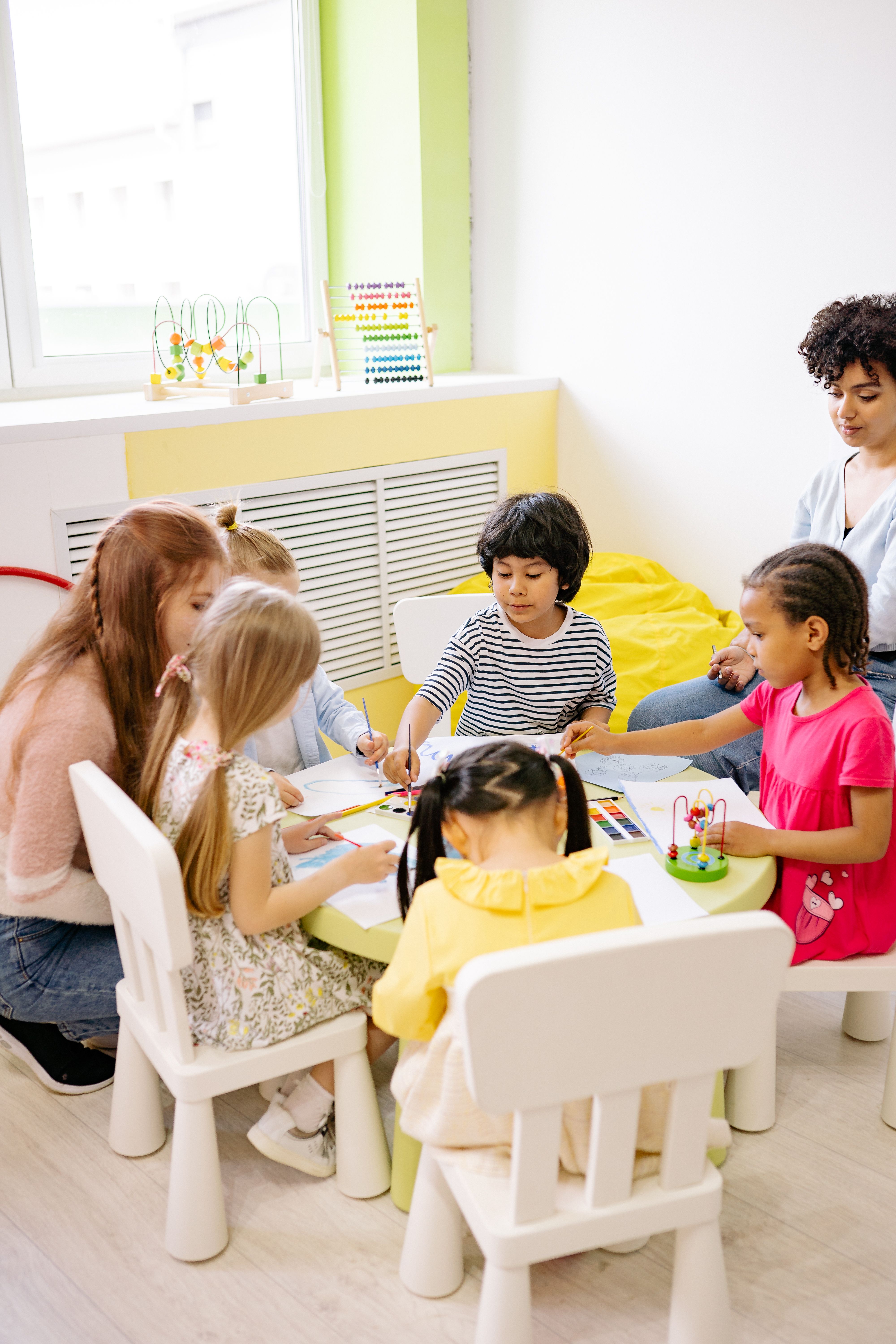
Why Preschool Franchise is a Profitable Business in India
Explore why investing in a preschool franchise is a smart and growing business opportunity.
Kids Activities at Home
Discover fun and educational activities for kids at home that boost creativity, learning, and overall development.